A jewellery valuation is not simply an answer to the question, ‘What is my ring worth?’ The figure depends on why the valuation is being prepared. An insurance replacement valuation, for example, serves a different purpose from a probate valuation, and confusing the two can lead to unrealistic expectations.
If you need a jewellery valuation in London, the first useful step is therefore to explain the purpose of the report. A professional valuer can then examine and document the jewellery using the appropriate basis of value.
Why might you need a jewellery valuation?
Insurance replacement
Insurance valuations are intended to help establish an appropriate replacement figure if insured jewellery is lost, stolen or irreparably damaged, subject to the terms of the policy. Replacement values can change as precious-metal prices, gemstone markets and manufacturing costs change, which is why an old valuation may no longer reflect current conditions.
Probate
When an estate is being administered, jewellery may need to be valued for probate purposes. This is not the same valuation basis as replacing the item through a retail jeweller, so the purpose must be made clear at the outset.
Divorce proceedings and family matters
A formal valuation may also be requested where jewellery forms part of financial disclosure or the division of assets. Again, the valuer needs to know the intended use of the report before carrying out the work.
What does a jewellery valuer examine?
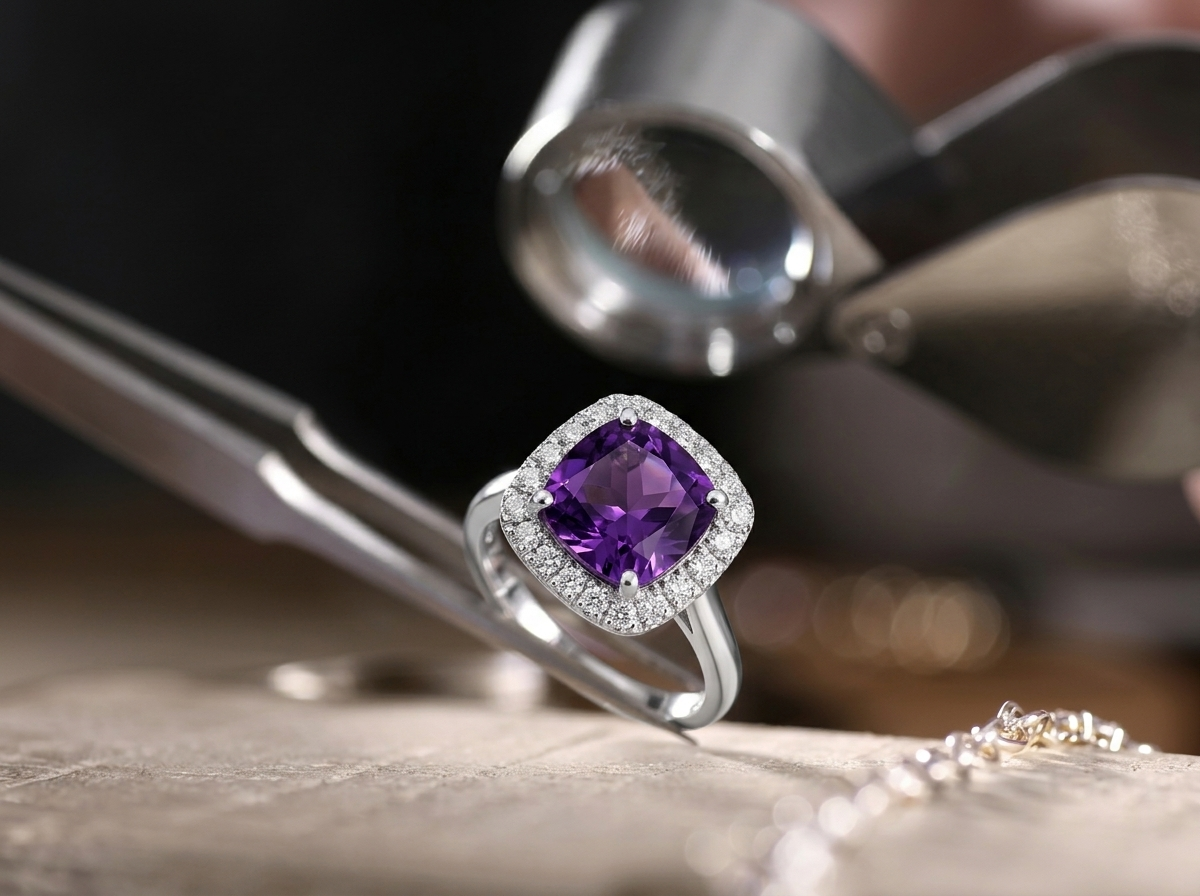
The exact examination depends on the item, but a professional valuation commonly records identifying details and considers precious metal, hallmarks, gemstones, construction, condition and relevant documentation.
For diamond jewellery, the assessment may consider characteristics such as cut, colour, clarity and carat weight where they can be established appropriately. Coloured gemstones require different expertise, and antique or unusual cuts may need particular care in identification and description.
Why condition matters
Valuation is not the same as a repair inspection, but condition is still important. Worn claws, previous alterations, missing stones or significant damage can affect how an item is described and understood.
At Michael Platt, valuation sits within a broader jewellery service that includes repairs and restoration. If an item shows a security or structural issue during examination, the owner can be advised that attention may be needed.
Certificates and previous paperwork are useful
If you have a diamond grading report, gemstone report, purchase receipt, previous valuation or details of provenance, bring them with the jewellery. Documentation can help identify the piece accurately and provide useful historical information.
Do not worry if paperwork has been lost. Jewellery can still be examined, but it is sensible to tell the valuer what you know rather than guessing at details.
Insurance value is not resale value
This is one of the most important distinctions for jewellery owners. An insurance replacement valuation is designed around replacement, not around the amount you would necessarily receive if you sold the item.
Second-hand selling prices depend on buyer demand, selling route, dealer margins, auction costs and other market factors. A high insurance replacement figure should therefore not be interpreted as a promise of an equivalent cash sale price.
Why valuations need updating
Precious-metal prices and gemstone markets move over time, and the cost of making or replacing jewellery also changes. The appropriate revaluation interval can depend on the jewellery and insurer, so check the requirements of your policy rather than relying on a universal timetable.
If a valuation is several years old, or the jewellery has been altered, restored or substantially repaired since it was issued, it is sensible to ask whether an updated report is appropriate.
What to expect at Michael Platt
Michael Platt provides jewellery valuations from its Wimbledon Village shop. Current valuation work is carried out by an NAJ-qualified registered valuer, with qualified in-house gemmological expertise for the analysis of diamonds and coloured gemstones.
The service covers valuations including insurance replacement, probate and divorce proceedings. Michael Platt does not provide instant verbal valuations; items need to be properly examined and documented. Priority or express options may sometimes be available depending on workload and the complexity of the items, so urgent requirements should be discussed directly with the shop.
How to prepare for a jewellery valuation
- Confirm why you need the valuation before the appointment.
- Bring previous valuations, receipts and relevant gemstone or diamond reports if available.
- Tell the valuer about known repairs, alterations or replaced stones.
- Bring the complete item, including detachable elements or matching components where relevant.
- Check any insurer requirements in advance if the report is for insurance purposes.
Choosing a valuer in London
A good valuation report depends on both jewellery knowledge and clarity about the valuation purpose. Look for relevant qualifications, careful item identification and a written process rather than an instant figure given across a counter.
Michael Platt combines valuation expertise with more than forty years of jewellery-making and restoration experience and is based at 1 Church Road in Wimbledon Village, convenient for clients across South West London.
Frequently asked questions
Is a jewellery valuation the same as what I could sell the item for?
No. Insurance replacement, probate and resale-related figures can be based on different purposes and market assumptions.
Can Michael Platt provide a valuation while I wait?
Michael Platt states that it does not provide instant verbal valuations. Priority or express options may sometimes be available, depending on workload and the complexity of the jewellery.
Should I bring diamond certificates?
Yes, if you have them. Existing grading reports, gemstone certificates, receipts and earlier valuations can all be useful.
Does Michael Platt value watches?
No. Watches and watch-related services are not part of the Michael Platt product or service offer.