A bespoke gold ring can be visually simple and still involve a surprising amount of judgement. Width, thickness, profile, colour, setting height, finish and the way the ring sits on the hand all influence whether the finished piece feels refined or awkward.
For someone searching for a bespoke gold ring maker in the UK, it is worth looking beyond the word ‘custom’. The important question is whether the maker understands both design and goldsmithing well enough to adapt those details around the wearer, the stones and the purpose of the ring.
What makes a gold ring genuinely bespoke?
A bespoke ring is designed around a particular brief rather than supplied unchanged from a standard pattern. The starting point might be an engagement ring, wedding band, signet ring, anniversary piece or a redesign using family gemstones.
Bespoke does not necessarily mean elaborate. A plain gold wedding ring can be bespoke if its width, profile, weight and finish have been chosen for a particular person. Equally, a complex gemstone ring may require numerous technical decisions about setting, balance and structure.
Choosing the right gold
Gold used in jewellery is alloyed with other metals to achieve the required fineness, colour and working properties. The practical choice is therefore not simply ‘gold or no gold’. A jeweller may need to consider colour, durability, the design, the gemstones being used and how the ring will be worn.
Yellow, white and rose tones can each change the character of a design. The right choice may also depend on jewellery the wearer already owns, especially when a wedding band needs to sit beside an engagement ring.
Profile matters more than many people expect
Look at a ring from the side and you begin to see why profile matters. Rounded, flatter and softly curved sections feel different between the fingers and create different visual weights. Small changes to edge shape or thickness can make a substantial difference to comfort.
This is particularly important for rings intended for everyday wear. A maker should balance the desired appearance with enough substance for the design and the stresses the ring is likely to encounter.
A gemstone changes the engineering of the ring
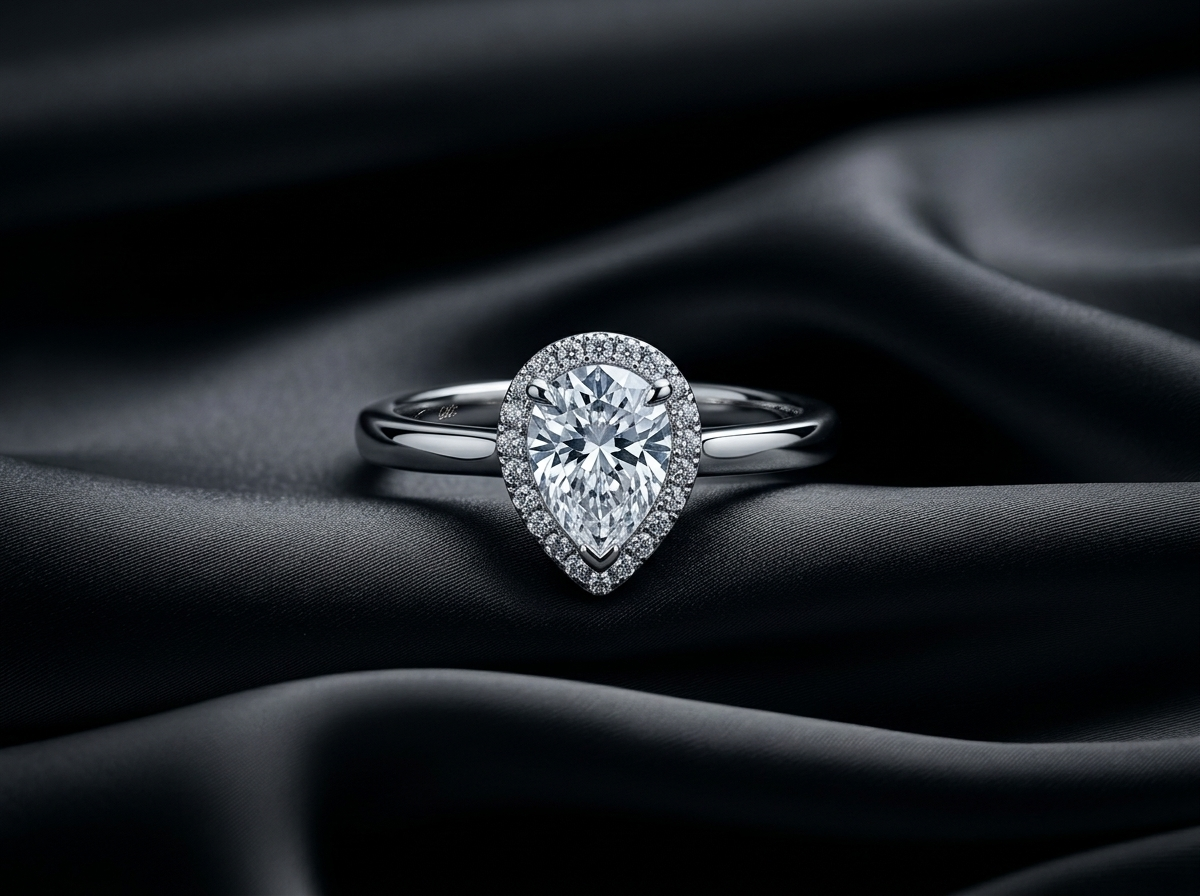
Once a diamond or coloured gemstone is introduced, the ring has to do more than look attractive: it has to hold the stone securely while presenting it well.
Stone dimensions affect the setting, shoulder design, height and proportions of the ring. This is why selecting a gemstone and designing a setting should be connected decisions rather than two separate shopping exercises.
New gemstones or inherited stones
A bespoke ring can be designed around newly sourced stones or around gemstones already owned by the client. Family diamonds and coloured stones can be especially meaningful, but they should be examined before the design is developed. Wear, previous repairs and the shape of an old stone can affect what is possible.
Michael Platt works with both new and existing jewellery. Its combination of bespoke making and restoration expertise is useful when a commission involves inherited material rather than a clean-sheet design.
How the design moves into the workshop
Once the brief is agreed, the design is developed in sufficient detail for both client and maker to understand it. Michael Platt may use detailed drawings, wax modelling or CAD depending on the piece and the intended method of manufacture.
A ring may be cast from a wax or CAD-developed model, then refined by the goldsmith before setting and finishing. Other elements can require traditional hand work throughout. What matters is choosing the method that suits the design rather than treating one technique as automatically superior.
The role of the goldsmith
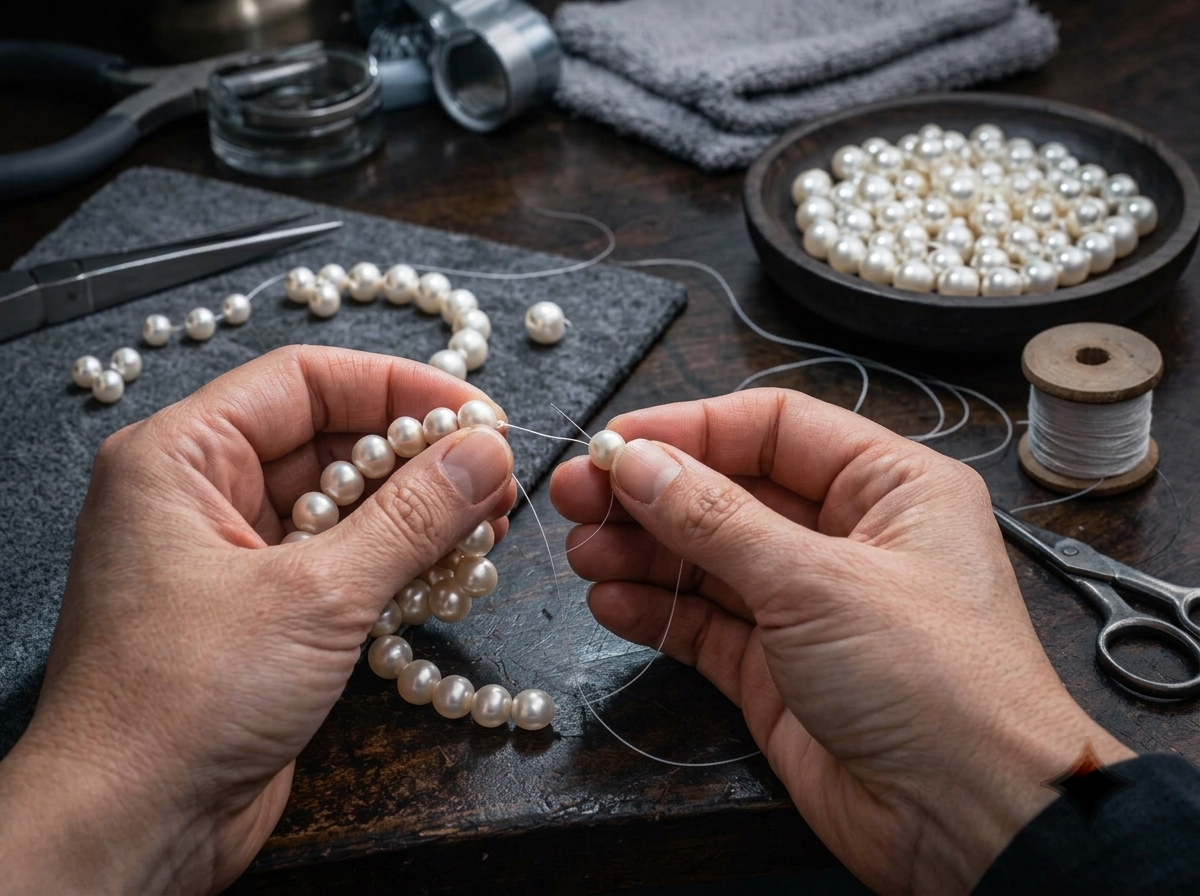
Goldsmithing is where millimetres begin to matter. Settings need to be secure but not unnecessarily heavy. Surfaces need to flow cleanly. Edges that looked acceptable in a drawing may need softening on the bench. Components must be aligned and finished so that the ring feels coherent rather than assembled.
At Michael Platt, bespoke pieces are produced through an in-store workshop in Wimbledon Village, and clients may deal directly with the goldsmith making their jewellery. That close connection between discussion and manufacture is one of the advantages of commissioning from a workshop-led jeweller.
Finishes can change the personality of gold
High polish creates reflectivity and brightness, while softer satin, brushed or textured effects can make a ring feel quieter or more contemporary. Some finishes show wear differently from others, so practical expectations should form part of the decision.
Engraving and other personal details can also be considered, but they work best when they support the overall design rather than being added simply because they are available.
Hallmarking matters
Precious-metal jewellery produced for sale in the UK is subject to hallmarking requirements where applicable. Michael Platt’s bespoke process includes sending completed pieces to the Assay Office for hallmarking after setting and polishing.
For the owner, the hallmark is a small but important record of the metal and the official assay process behind the piece.
A good bespoke ring should age well
No ring remains untouched forever. Gold acquires surface marks, settings wear and finger sizes can change. Good design anticipates real use, and good aftercare allows the ring to be maintained rather than treated as disposable.
Michael Platt provides repairs and restoration as well as bespoke work, so clients can return to the same jewellery house for future attention.
Questions to ask a bespoke gold ring maker
- Who will design and who will make the ring?
- How will the gold colour, fineness and profile affect everyday wear?
- Can I use an existing gemstone or inherited jewellery?
- How will I approve proportions before manufacture?
- Will the ring be hallmarked?
- What care or maintenance is likely over time?
Made for a person, not just made to order
The real value of bespoke gold jewellery is not simply that it is unique. It is that the details can be resolved around one person: the way they wear jewellery, the pieces they already own, the memories they want to preserve and the balance of simplicity or character that feels right.
Michael Platt creates bespoke jewellery in gold and platinum from its Wimbledon Village shop and workshop, combining personal consultation with more than forty years of jewellery-making and restoration experience.
Frequently asked questions
Does Michael Platt make bespoke rings in silver?
No. Michael Platt’s established bespoke process states that bespoke pieces are made in gold and platinum, not silver.
Can I reuse gold from old jewellery?
Whether existing metal can or should be reused depends on the condition, alloy and proposed design. Bring the jewellery for assessment rather than assuming it can simply be melted into a new piece.
Can I use my own gemstones?
Potentially, yes. Existing diamonds and coloured gemstones can form part of a bespoke commission where they are suitable after examination.
Is platinum a type of gold?
No. Platinum is a different precious metal. It can be a suitable alternative for some ring designs, but it should not be described as gold.