You do not need to know how jewellery is made before commissioning a bespoke piece. In fact, many successful commissions begin with something much less precise: a gemstone, a family ring, a photograph, an occasion, a rough sketch, or simply a feeling that the finished piece should be ‘simple but not ordinary’.
The jeweller’s role is to turn that starting point into a design that can actually be made, worn and enjoyed. The process should be collaborative, with enough structure to give you confidence while leaving room for the design to improve as decisions are made.
Begin with the reason for the piece
Before thinking about technical details, be clear about what the jewellery is for. An engagement ring worn every day has different requirements from a cocktail ring for special occasions. A pendant created around an inherited stone may need to preserve family history. A wedding ring may need to sit against an existing engagement ring with an unusual shape.
At Michael Platt, the initial design brief considers budget, gemstones, metal, setting, whether the piece is for everyday or occasional wear, and whether the style should be contemporary, classic or something in between.
Bring inspiration – but do not feel you need a finished design
Reference images can be useful because they show proportion, texture, colour or details you respond to. They do not need to be copied. A good bespoke designer uses references to understand your taste and then develops a piece appropriate to you.
Existing jewellery can be even more useful. You may want a new piece to sit alongside it, borrow a detail from it or reuse its gemstones. Bring the item to the consultation so that dimensions and condition can be considered properly.
Talk openly about budget
Budget is a design tool. It helps the jeweller decide where to concentrate value and where alternatives might achieve the same visual effect more sensibly.
The cost of a bespoke piece can be influenced by gemstone choice, amount and type of precious metal, the complexity of the setting and the time involved in manufacture and finishing. A clear budget discussion at the beginning prevents time being spent developing an impractical design.
Choose gemstones with the finished jewellery in mind
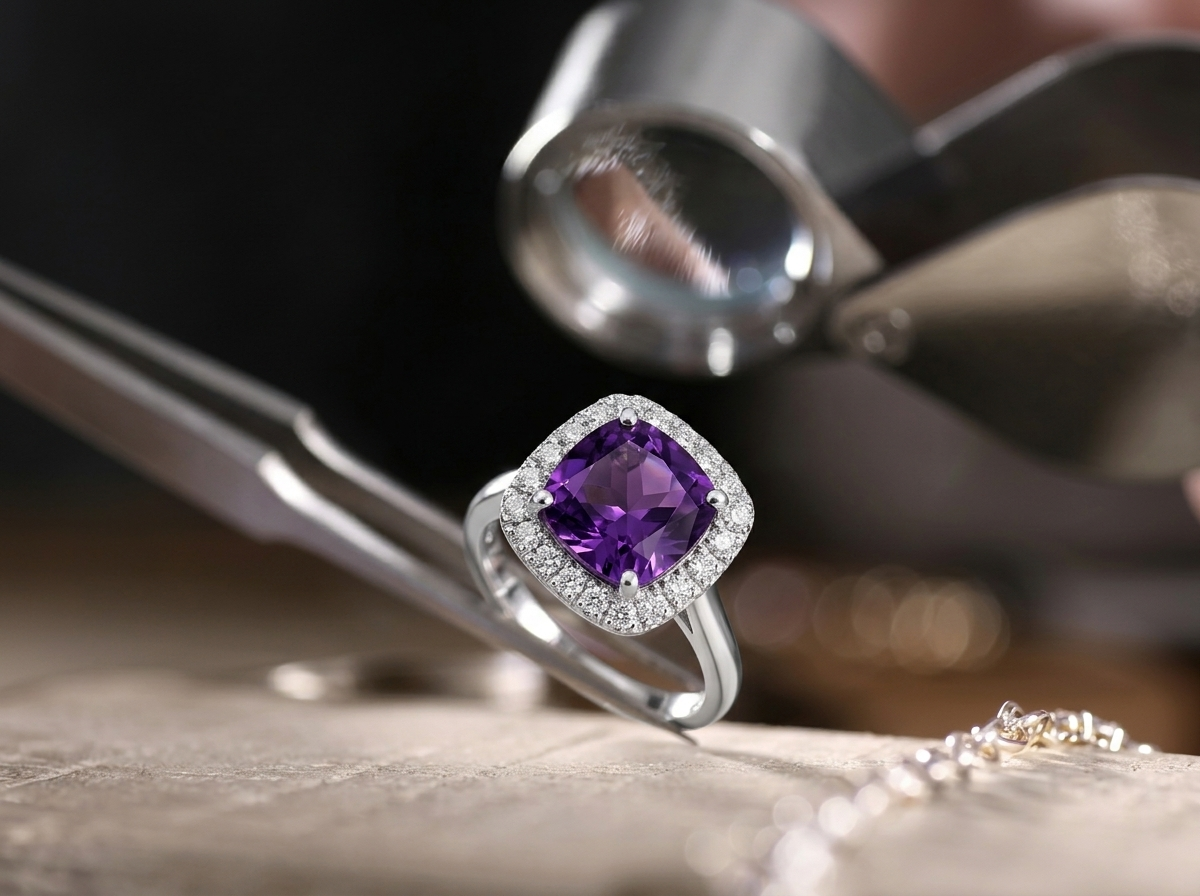
If the piece requires a diamond or coloured gemstone, selection should take account of more than size. Appearance, durability, cut, colour and proportions all affect how the stone will work in the final setting.
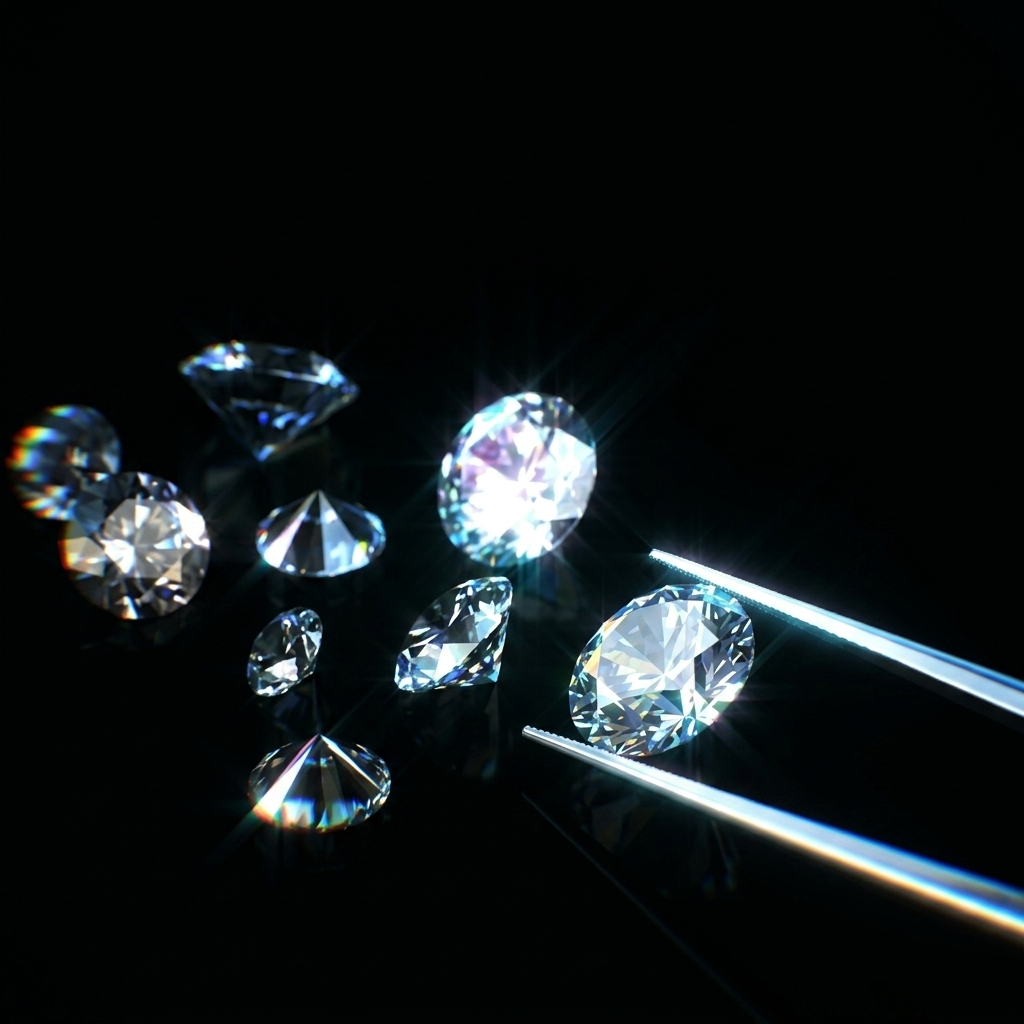
Michael Platt can source diamonds or coloured gemstones for selection and viewing where required. With diamonds, clients can be guided through cut, colour, clarity and carat weight; with coloured stones, the conversation can include colour character and suitability for the way the piece will be worn.
Develop the design in a form you can understand
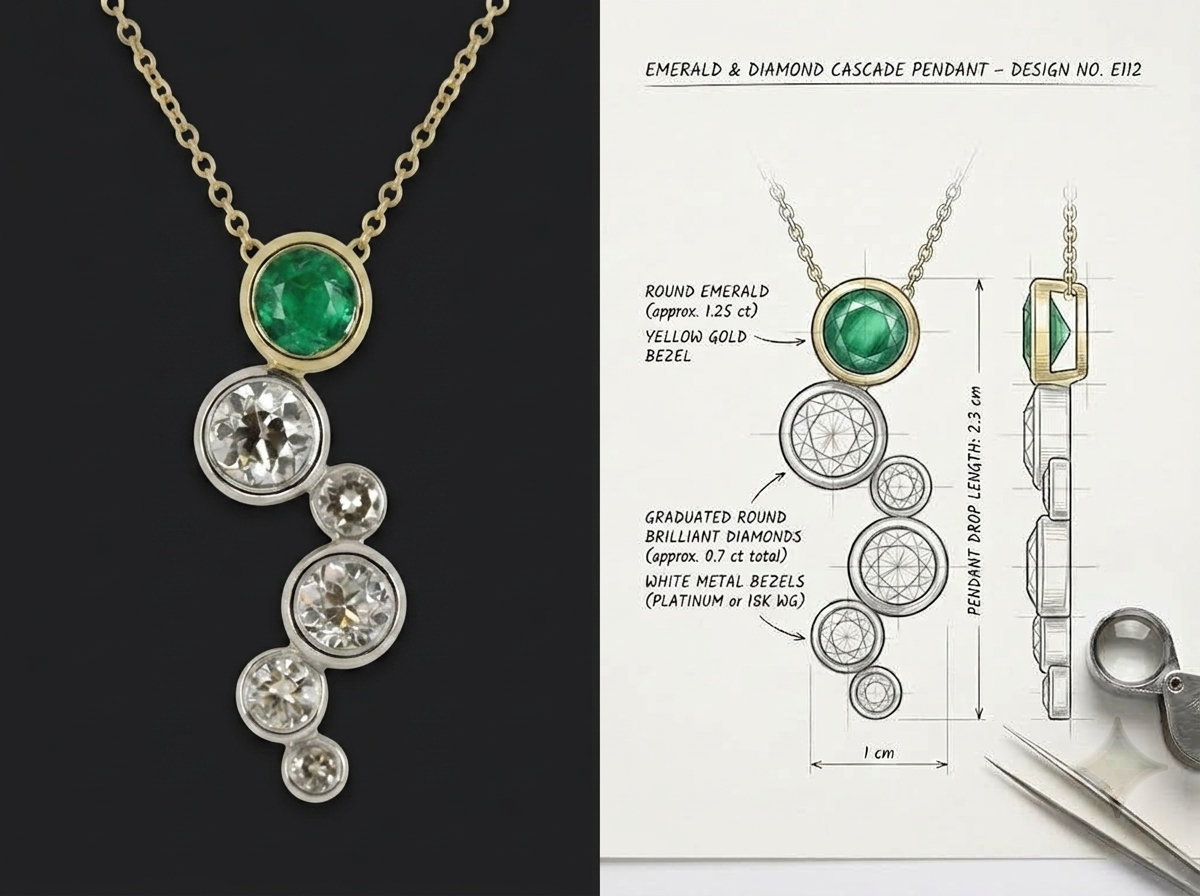
Once the brief is clear, the jeweller needs to translate it into something you can evaluate. That might begin with sketches and progress to more detailed drawings close to actual size. Depending on how the piece will be made, wax modelling or CAD may also be used.
At Michael Platt, design and stone viewing are followed by final approval of the necessary materials, price and delivery date before production begins.
Understand how your jewellery will be made
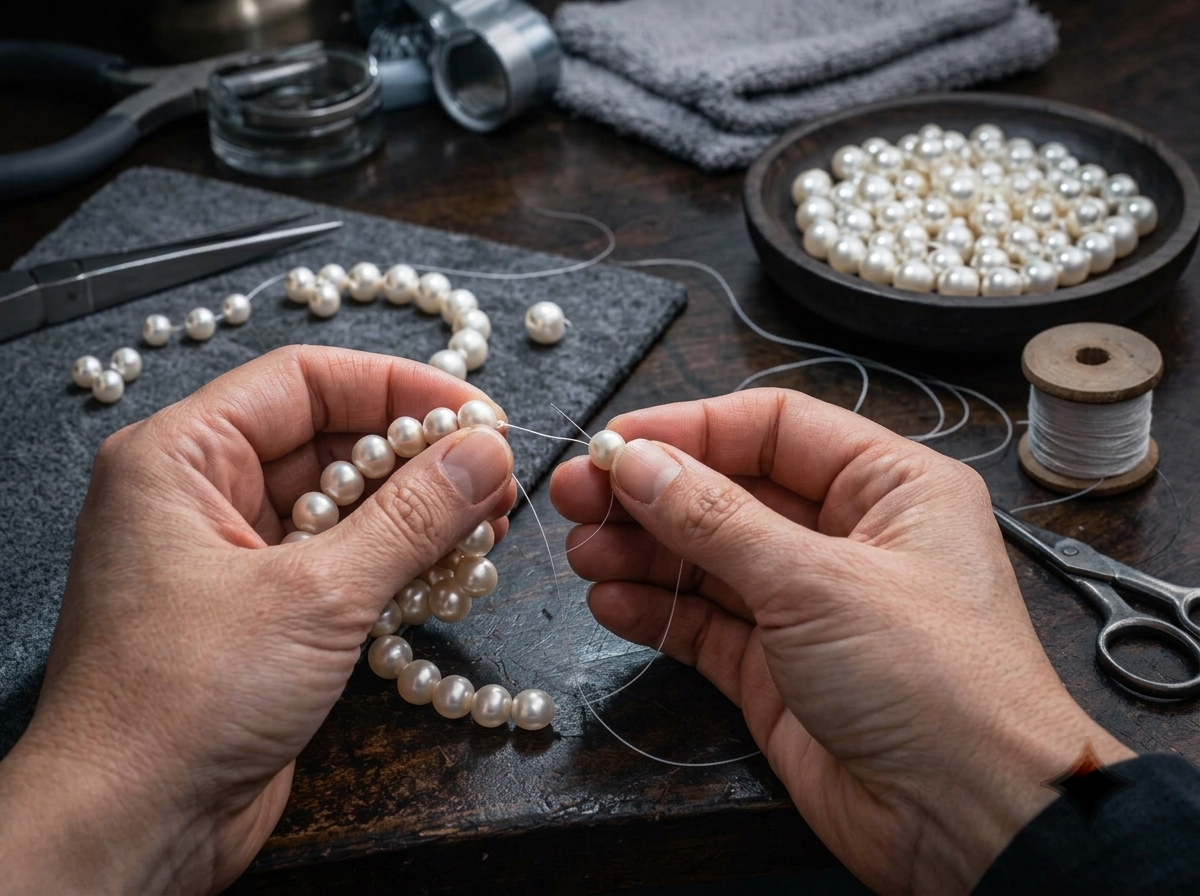
Different designs call for different methods. Some pieces may begin as hand-carved wax before casting; others may be developed through CAD. Traditional goldsmithing skills remain important throughout fitting, assembly, setting, finishing and quality control.
Michael Platt’s in-store Wimbledon Village workshop allows the design and making stages to stay closely connected. Where appropriate, clients may see a wax model or the piece in an unfinished state before stones are set.
Hallmarking and finishing
Once the piece has been made, stones set and surfaces polished, precious-metal jewellery is hallmarked as required. Hallmarks provide an official indication of precious-metal fineness and form part of the finished piece’s identity.
Final finishing is also when small details become important: polish, texture, the smoothness of edges and settings, and the way the piece feels when worn.
Collection should not be the end of the relationship
Bespoke jewellery is intended to be worn, and worn jewellery eventually needs care. Ask how the piece should be cleaned, what signs of wear to look for and when it is sensible to have settings inspected.
Michael Platt also provides repairs, restoration, valuations and other jewellery-care services, giving clients somewhere to return as a piece ages or changes hands.
Commissioning with inherited jewellery
If your project begins with inherited jewellery, do not dismantle it before the consultation. The existing piece can provide useful clues about construction, stone dimensions, condition and provenance. Sometimes the most appropriate solution is a complete redesign; in other cases, restoration or a more subtle alteration may preserve more of the original character.
The right decision depends on the jewellery itself and on what matters emotionally to the owner. This is where experience in both bespoke making and restoration becomes especially valuable.
What to bring to your first appointment
- The jewellery or gemstone you want to reuse, if applicable.
- Reference images, sketches or examples of styles you like.
- A realistic budget range.
- Any existing jewellery the new piece must fit beside.
- Any known certificates or documentation for important stones.
- The date of the occasion, if timing matters.
A bespoke commission is a conversation made tangible
The finished piece should look resolved and effortless, even though many decisions sit behind it. That is the value of a good commission: technical knowledge remains in the background while the jewellery itself feels personal and natural.
Michael Platt has been creating bespoke jewellery from Wimbledon Village for decades, combining face-to-face consultation, gemstone knowledge and an in-store workshop. Clients can begin with a detailed idea or almost no idea at all; the purpose of the process is to develop the right piece together.
Frequently asked questions
Do I need drawings before commissioning bespoke jewellery?
No. Ideas, images, an existing piece or simply a description of what you like can be enough to begin a design consultation.
Can bespoke jewellery be made from existing jewellery?
Yes, where the materials and gemstones are suitable. Existing pieces should be examined before a design is agreed.
Does Michael Platt make bespoke jewellery in silver?
Michael Platt’s established bespoke process states that bespoke commissions are made in gold and platinum, not silver.
Can I see a wax model or CAD design?
Depending on the method used for your piece, the process may include a hand-carved wax model or CAD, and clients may be invited to view stages of development where appropriate.