Commissioning an engagement ring can be exciting and slightly daunting in equal measure. There are diamonds, gemstones, settings, metals, proportions and budgets to think about – often while trying to keep the proposal itself a surprise. A bespoke engagement ring should make those decisions easier, not more complicated.
For clients looking for a bespoke engagement ring in London, the most useful starting point is not a list of fashionable ring styles. It is a conversation about the person who will wear the ring: their taste, lifestyle, existing jewellery and the details that will make the finished piece feel unmistakably right for them.
Start with the wearer, not the trend
Solitaire, trilogy, halo and vintage-inspired rings all have their place, but a style name does not tell you whether the ring will suit someone’s hand or daily life. Notice what jewellery they already wear. Is it delicate or bold? Yellow-toned or white-toned? Contemporary or traditional? Do they prefer colour, or almost always choose diamonds?
If you are unsure, bring photographs or discreet examples to your consultation. An experienced designer can often identify consistent preferences from a small amount of information.
You do not need to become a diamond expert first
The Four Cs – cut, colour, clarity and carat weight – are useful, but they are not a shopping list where the highest grade in every category automatically creates the best ring. The important question is how the stone looks, how it works within the design and how the choices fit the overall budget.
Michael Platt guides clients through diamond selection and can source stones for viewing where required. Seeing suitable stones in person can make the decision much more intuitive than comparing certificates alone.
Consider coloured gemstones as well as diamonds
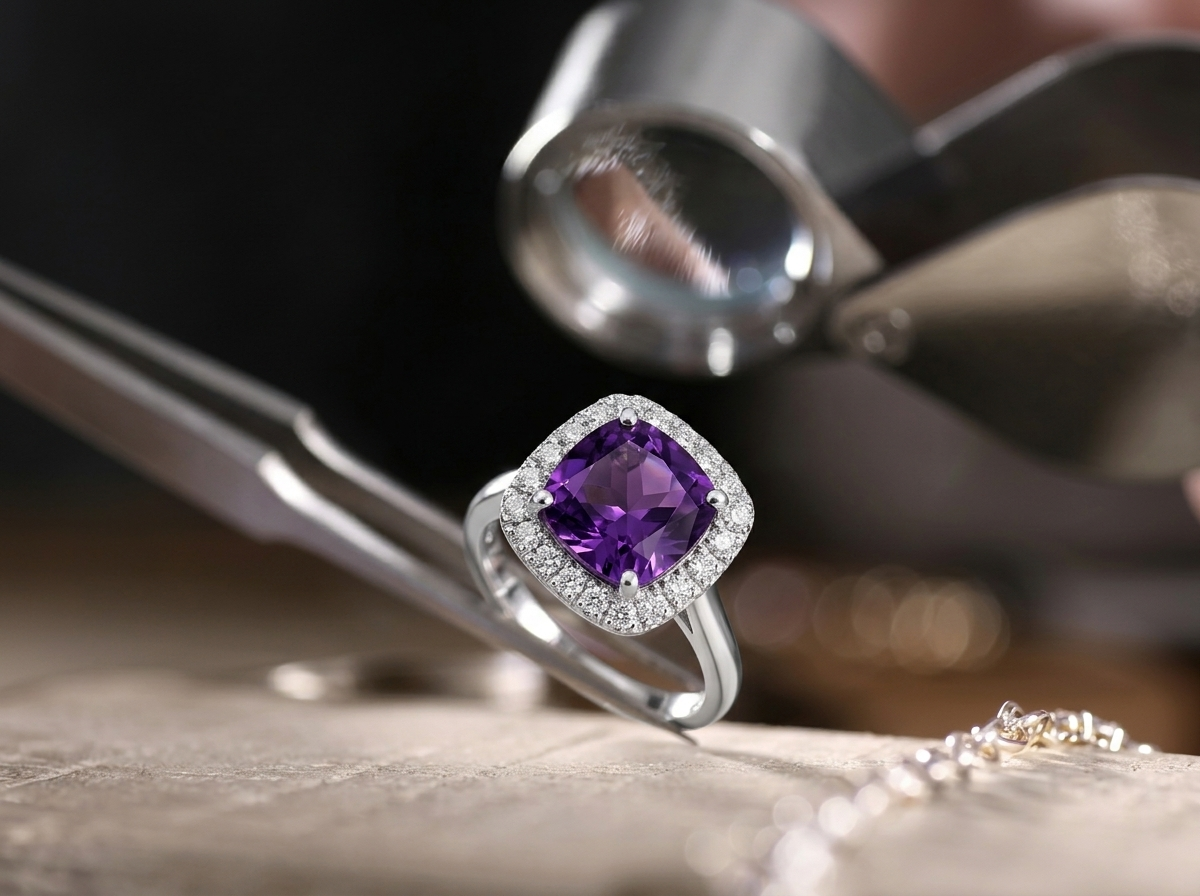
A bespoke engagement ring can also be designed around a coloured gemstone. Sapphires, rubies and other stones can introduce character and personal meaning, but suitability for an everyday ring matters. Gemstones vary in hardness, toughness and sensitivity, so a jeweller should consider the stone, setting and lifestyle together.
Michael Platt has a strong coloured-gemstone heritage and can advise clients on stones based on both appearance and practicality. This is especially valuable when the goal is something more individual than a conventional diamond centre stone.
Think about how high the ring should sit
Setting height affects appearance, comfort and how easily a ring catches on clothing. A high setting may maximise visibility of the centre stone; a lower profile may suit someone who uses their hands constantly or prefers discreet jewellery.
The right answer depends on the stone, finger, setting and intended wedding ring. This is one reason bespoke design is useful: the ring can be proportioned around the wearer rather than selected from a fixed configuration.
Plan for the wedding ring at the same time
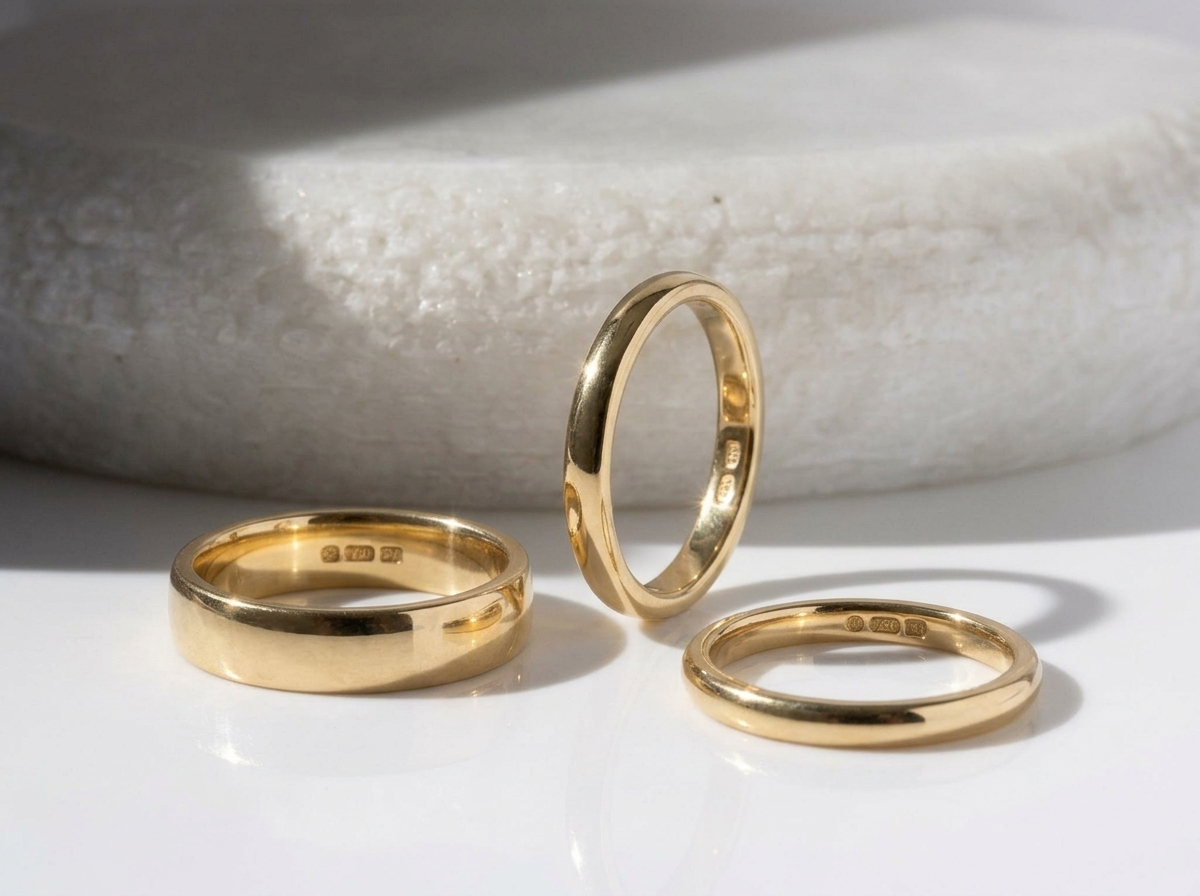
An engagement ring does not exist in isolation for long. If it will eventually be worn beside a wedding band, considering the pairing during the engagement-ring design can prevent compromises later.
Some settings allow a straight wedding band to sit neatly beside them; others may need a shaped wedding ring. Neither approach is inherently better, but knowing the preference early can influence the design.
Using an inherited diamond or gemstone
An inherited stone can make an engagement ring uniquely personal. It may also allow a family piece that is rarely worn to begin a new chapter. Before designing around it, however, the gemstone and its existing setting need to be examined.
Michael Platt works with new and existing jewellery and has experience combining bespoke design with restoration knowledge. If an inherited stone is suitable for reuse, the design can be developed around its actual dimensions and character rather than around a generic specification.
How budget works in a bespoke ring
A useful bespoke consultation includes an honest conversation about budget. The centre stone usually has a major influence on price, but setting complexity, metal, additional stones and manufacturing time also matter.
A defined budget does not restrict creativity; it gives the designer a framework. The aim is to decide which elements matter most to the wearer and allocate the budget accordingly.
What happens during the Michael Platt bespoke process?
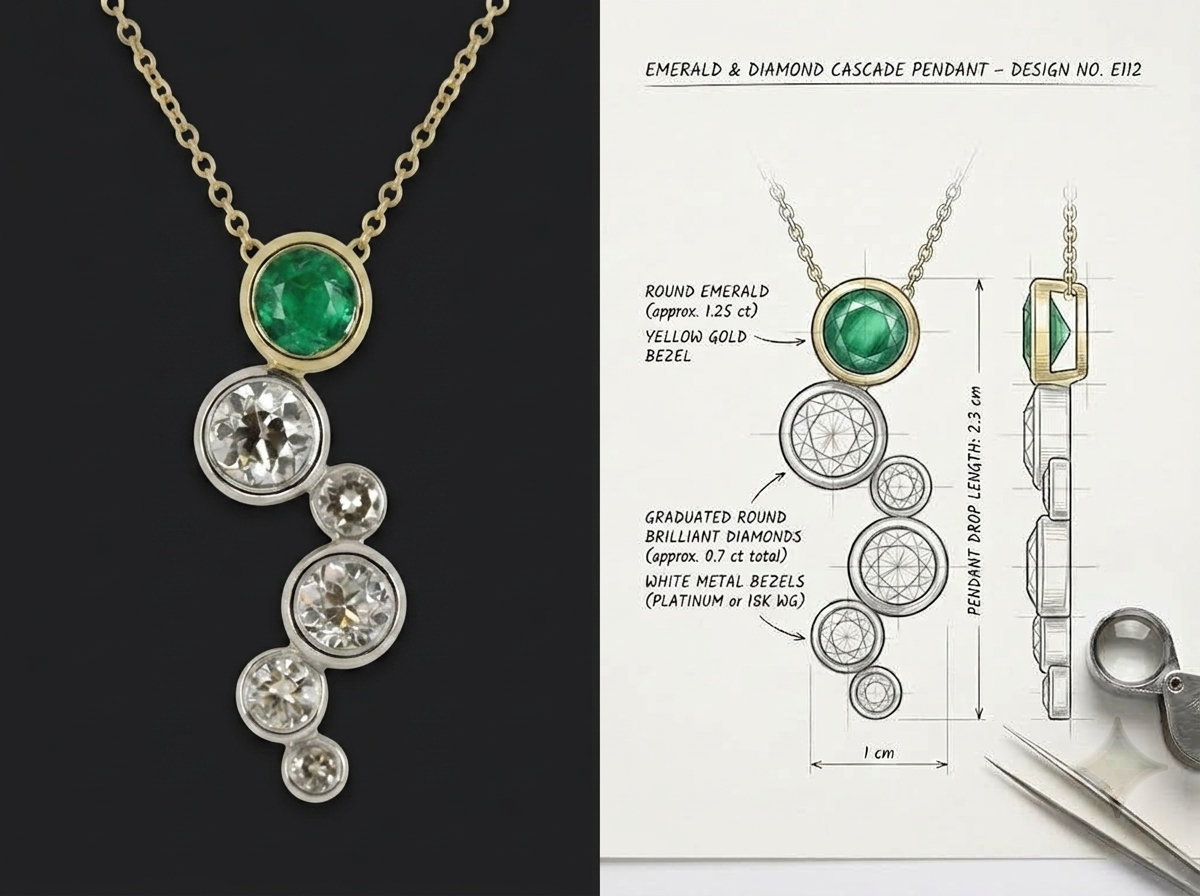
Michael Platt’s process begins with a face-to-face consultation and design brief. Ideas, budget, stone, metal, setting, style and how the piece will be worn are discussed. Detailed drawings can then be developed and, where required, diamonds or gemstones sourced for selection and viewing.
After final details, cost and timing are approved, the workshop begins production. Depending on the piece, development may involve hand-carved wax or CAD. The ring is then made, set, polished and sent for hallmarking before the final collection appointment.
What if the proposal is a surprise?
A surprise proposal does not require you to know every answer. If you can gather clues about style and approximate ring size, a jeweller can help you make sensible decisions. Where there is uncertainty, avoid overcomplicating the design purely to make it feel ‘bespoke’. Proportion, stone choice and a few thoughtful details often have more impact than excessive decoration.
Questions worth asking before choosing your jeweller
- Which centre stones suit the way this ring will be worn?
- Can I view a selection of suitable diamonds or coloured gemstones?
- How will the setting affect height, comfort and security?
- Will a straight wedding ring sit beside this design?
- Can an inherited stone be used safely?
- How will I approve the design before production?
- What is the realistic completion date for this particular ring?
Creating a ring with meaning beyond the proposal
A bespoke engagement ring is successful when the wearer still loves the decisions behind it long after the proposal photographs have been taken. That means balancing beauty with comfort, individuality with longevity, and emotion with sound jewellery-making.
Michael Platt creates bespoke engagement and wedding jewellery from its Wimbledon Village shop and in-store workshop, working face to face with clients from initial ideas and gemstone selection through to manufacture and collection.
Frequently asked questions
Can Michael Platt make an engagement ring with a coloured gemstone?
Yes. Michael Platt works with diamonds and coloured gemstones and has long-standing gemmological expertise.
Can I use a family diamond in a bespoke engagement ring?
Potentially, yes. Existing diamonds and gemstones can be used where examination shows they are suitable for the proposed design.
How long should I allow for a bespoke engagement ring?
Michael Platt’s established bespoke process states an average of around three to six weeks once a commission is instructed, but allow additional time for consultation, sourcing and design decisions and confirm the schedule for your individual piece.
Can I see the design before the ring is made?
Yes. The design-development process can include detailed drawings and, depending on the method, wax or CAD before the final piece is completed.